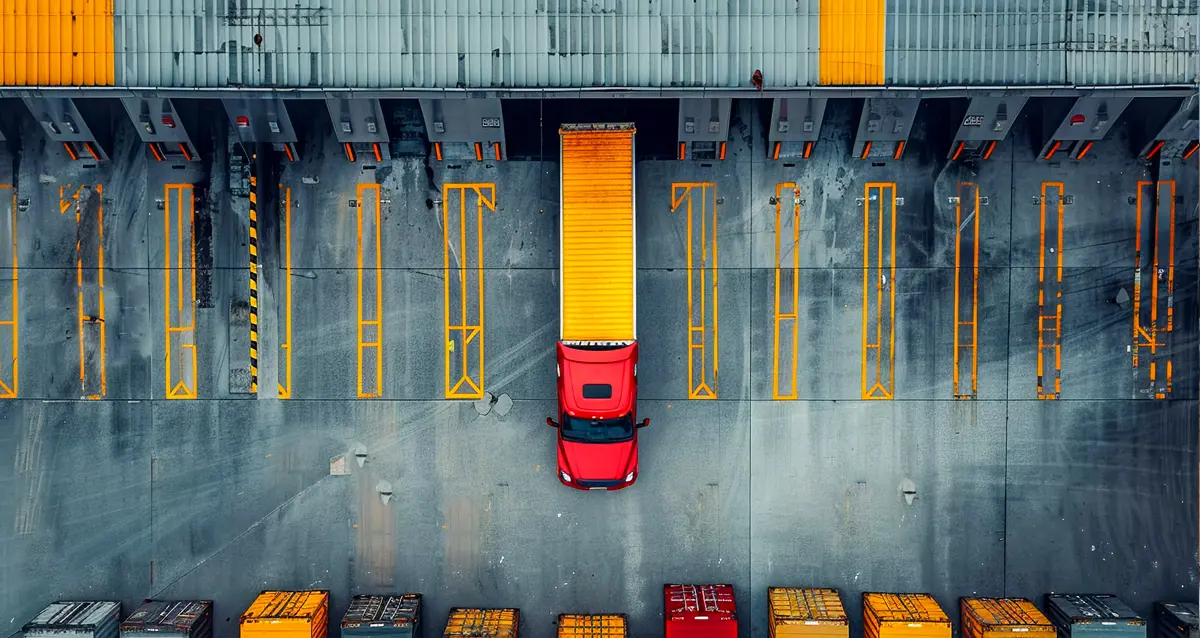
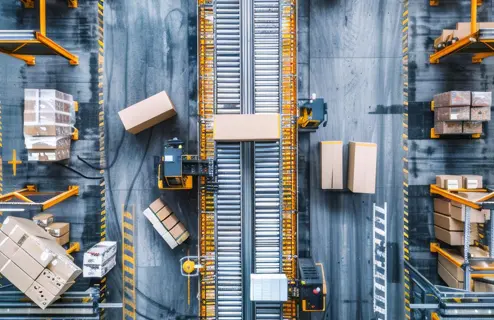
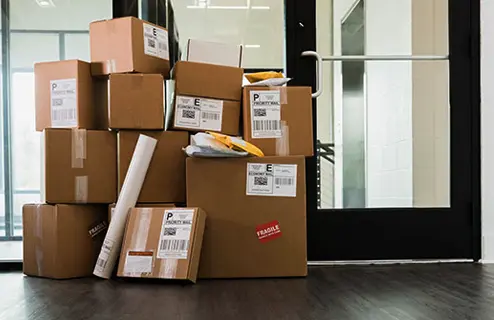
I worked with a regional logistics provider where dispatchers planned routes the same way they had for a decade, while traffic, weather, and customer windows kept shifting.
Static routes ignored real time traffic and weather until drivers were already stuck in it
Late deliveries triggered penalty clauses that ate directly into already thin margins
Manual dispatch could not realistically replan a full day of routes once something changed midmorning
2 //The Solution
I helped this provider deploy a route optimization system that recalculates the full day's routes in real time as conditions change, not just once each morning.
Dispatchers kept final approval on every route change. The system simply did the recalculating work that used to take a human twenty minutes per disruption.
Store level forecasting replaced regional averages that masked real local demand patterns
Automated reorder suggestions flagged fast movers before they actually hit zero stock
Inventory transfers between nearby stores caught imbalances before markdowns became the only option
The fastest fleet in your market is not the one with the newest trucks. It is the one that replans the fastest when something goes wrong.
Hary Periya
3 //My Pesonal Thoughts
I see this every time in logistics: it rewards whoever adapts fastest, not whoever plans the most carefully in advance.
A perfect morning route plan is worthless by mid afternoon when conditions change
Dispatchers were never slow. They were doing math that should have been automated years ago
The real competitive edge here was reaction speed, not the route itself
4 //Key Outcomes
On time delivery rate improved meaningfully across the full fleet within one quarter
Fuel costs per route dropped as recalculated routes cut unnecessary idle and detour time
Dispatcher time spent on manual replanning dropped enough to handle a larger fleet with the same team